In northern Central Sweden, new manufacturing methods are being tested to create cost-effective and sustainable products. One successful example is SSAB, which has developed 3D-printed tools with laser hardening.
“We will undoubtedly see more 3D printing in the future,” says Jesper Vang at SSAB.
Sustainable Steel Region works to develop the steel industry through innovation and collaboration between business, society and research. Part of this is the “On Demand 2033” project, which challenges traditional supply chains.
“It should be possible to produce spare parts locally, instead of importing them from the other side of the world, which will be much more sustainable,” says Nicklas Tarantino at Sustainable Steel Region.
One promising method in the project is 3D printing. It is an additive manufacturing method, which means adding layers to create a product.
“I am convinced that this is the technology of the future. It’s an effective method and we’re only at the beginning of that journey,” says Tarantino.

Nicklas Tarantino at Sustainable Steel Region
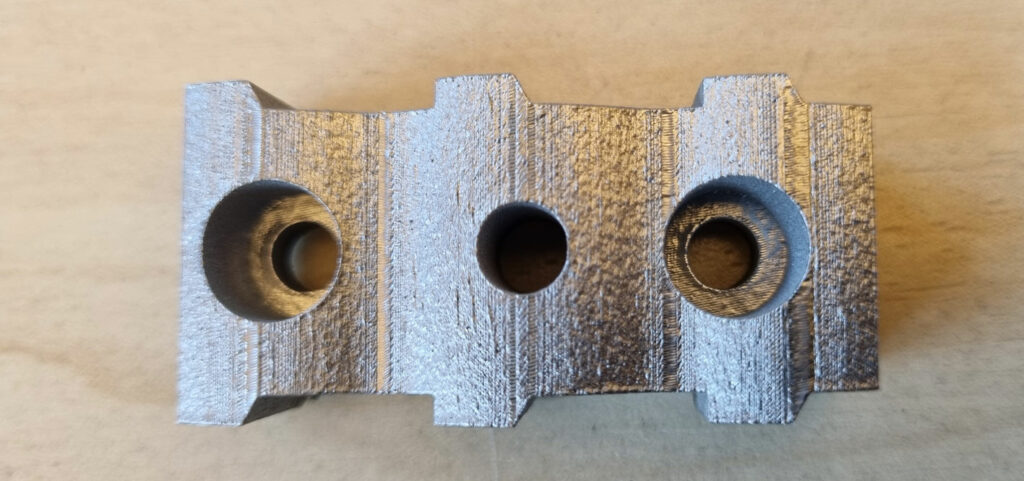
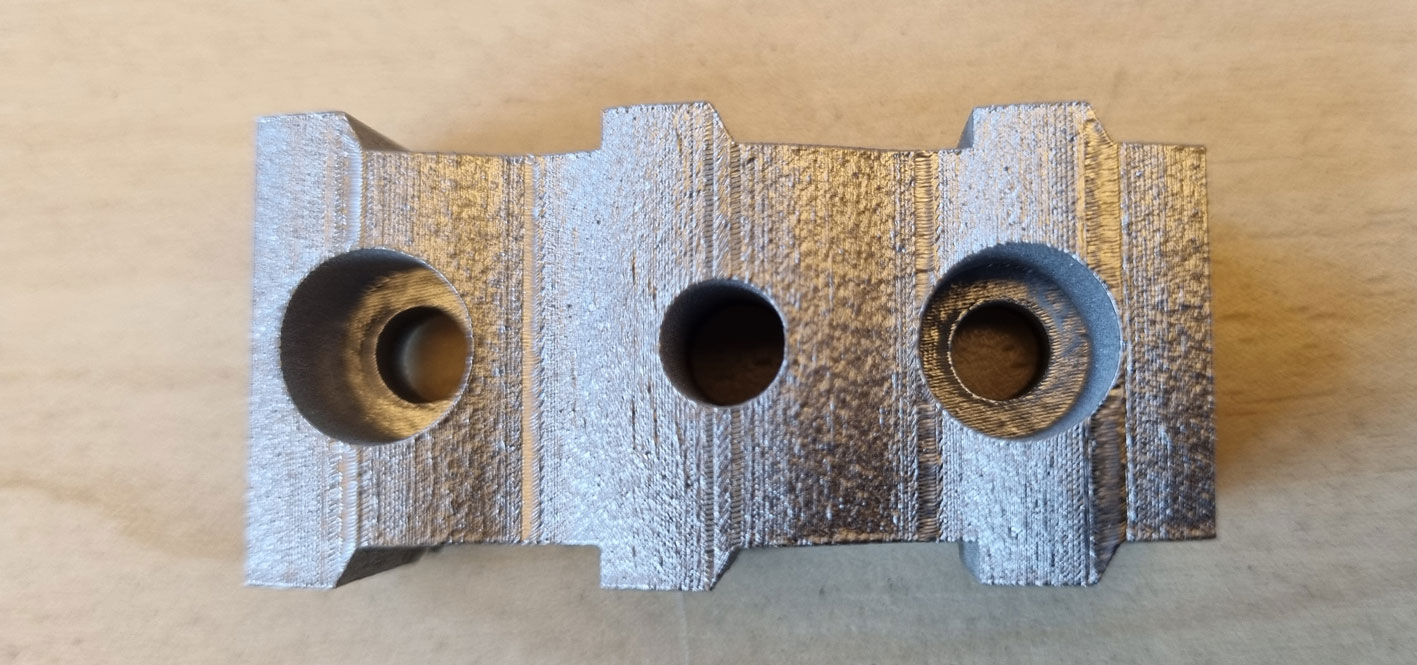
3D-printed crimp tool
SSAB is one of the companies that Sustainable Steel Region is working with to explore the future of manufacturing methods. Together, they have looked at the needs and opportunities to challenge current manufacturing methods and do things in new, more efficient and sustainable ways.
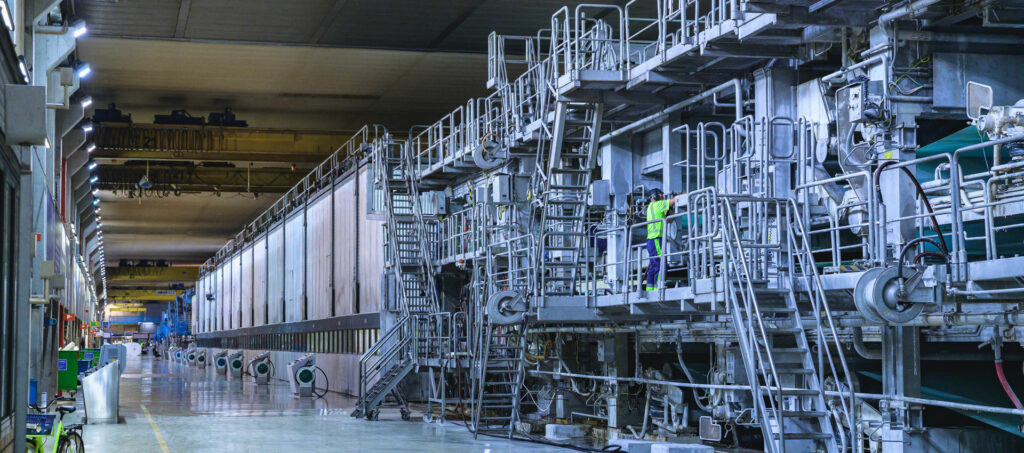
SSAB in Borlänge needed a clamping tool to hold the strips around the sheet in place and prevent the rolls from opening. The machines used for strapping are outdated and the supplier had decided to stop supplying spare parts. This problem led SSAB’s maintenance department to look for new supply chains for spare parts. The solution was to test 3D printing and laser hardening.
“It turned out that the 3D-printed tools with laser hardening had three times longer a service life than the existing tool from the machine supplier. In addition, the manufacturing cost was lower,” says Jesper Vang at SSAB.
Big possibilities with 3D printing

Jesper Vang at SSAB
Work is currently underway to identify more components in SSAB’s various plants where the benefits of 3D printing and laser hardening can be utilised.
“We see great opportunities with 3D printing. We will be able to create stronger components more inexpensively and at the same time have a better value chain and a lower carbon footprint. But we need to think outside the box. Traditionally, engineers work to remove material, but now we need to add material instead,” says Vang.
Both Tarantino and Vang point out that productivity is currently low in mass production of 3D-printed products. They believe that it will take a few years before it is commercialised, but that we are now only at the beginning of the development journey to be taken in 3D printing.
Sustainable Steel Region and the other project players are also looking at more companies in northern Central Sweden that could produce spare parts more locally and sustainably through, for example, 3D printing.
“There is enormous potential in this. There is no waste, deliveries are safer and the carbon footprint is lower when the parts are produced locally. By cooperating with players in the region, we will be able to undertake a development journey in this area,” concludes Tarantino.
Other driving players in the “On Demand 2033” project include RISE, Propell, Sandbacka Science Park, Paper Province, Karlstad University, Dalarna University and Gävle University.