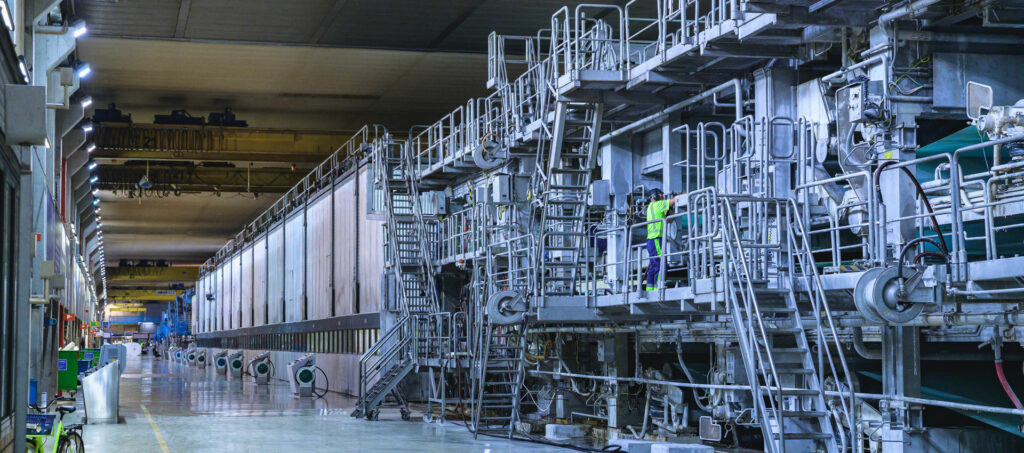
Sweden is one of the world’s largest exporters of pulp, paper and sawn timber. More than 80 percent of products are exported and demand is high. The development of products made from forest raw materials is also ongoing, as the benefits of biobased materials are increasingly recognised. Värmland is a key player in developing the forest bioeconomy.
There are many exciting companies in Värmland working to find new and more uses for forest raw materials. There is a large network of expertise here. We have everything from printing companies and packaging manufacturers to product developers working with forest raw materials in a variety of ways,” says Matilda Iverlund, CEO of Paper Province.
For more than 25 years, Paper Province has been working to bring the forest industry’s many players together to tackle common challenges. Today, a large part of our business revolves around sustainable transitions.
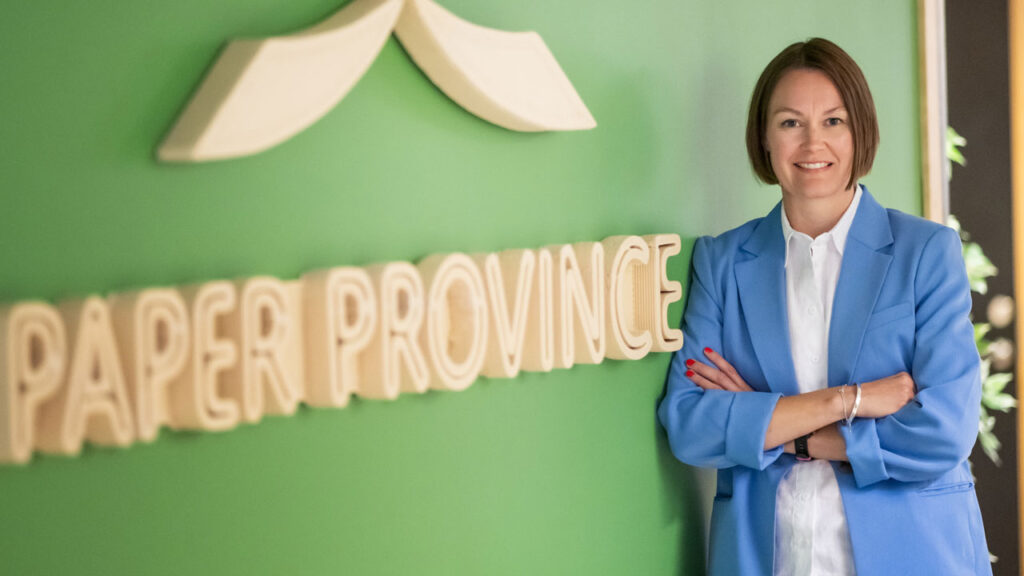
Matilda Iverlund, CEO of Paper Province
Cellulose-based absorbent
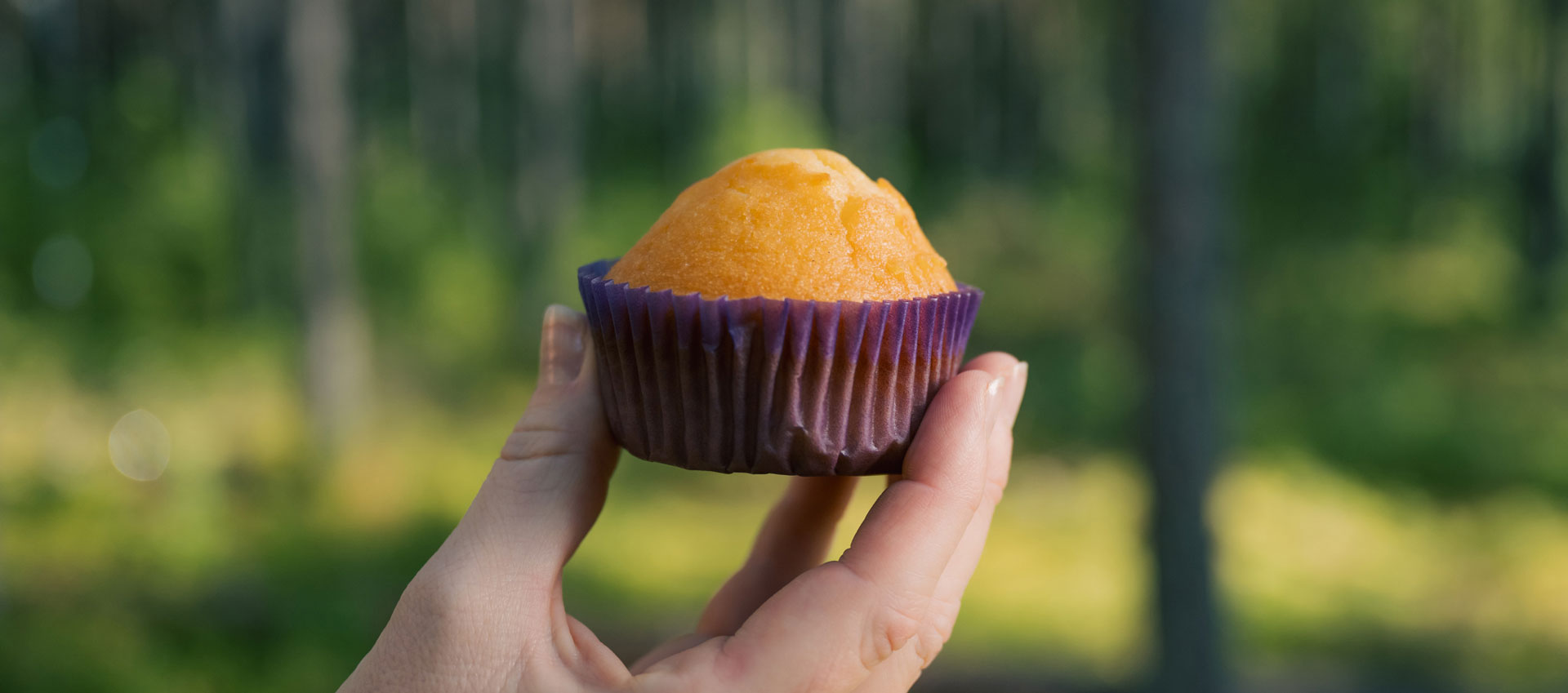
One company that has found a new use for the forest raw material is Cellcomb in Säffle, which creates biobased products for healthcare and the food industry, among others. One of Cellcomb’s latest products is a fully cellulose-based absorbent for the food industry.
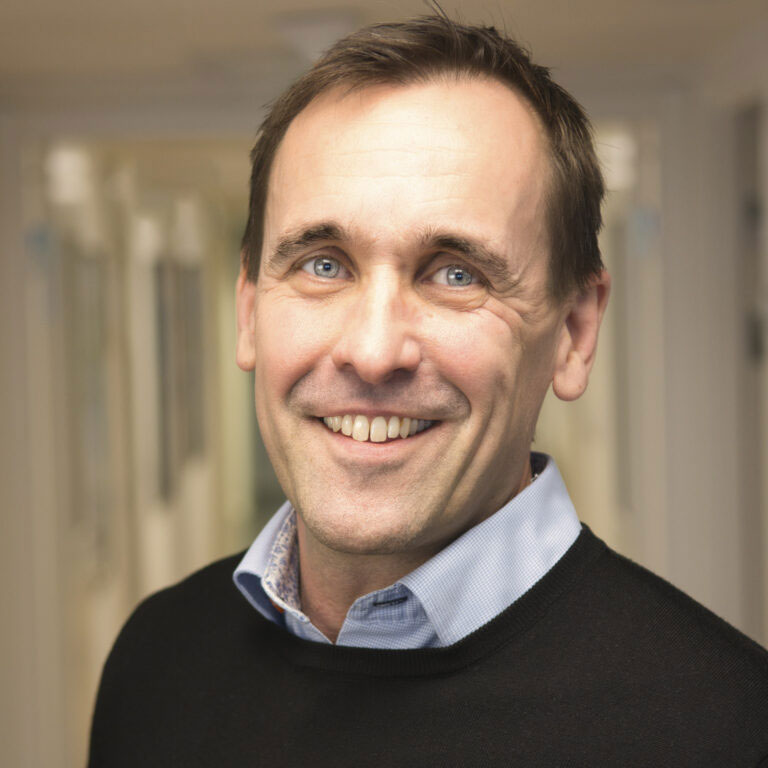
Henric Nedéus, Marketing Manager at Cellcomb
“In specific terms, an absorbent can absorb excess liquid in a tray used for meat or fish, for example, thus extending the shelf life of the food,” says Henric Nedéus, Marketing Manager at Cellcomb.
By replacing current single-use products, which are often plastic-based, with renewable materials, Cellcomb contributes to a biobased and circular economy. And demand is high on the international market. But there are challenges facing the company in the work with product development.
“Our absorbent is made of cellulose and is therefore both recyclable and compostable. But it is not entirely certain whether it can be recycled as part of the paper recycling or digestion process, which should actually be a matter of course. The regulatory process for recycling systems is sluggish,” says Henric Nedéus.
He also believes that there needs to be greater incentive for society to switch to renewable materials.
“It may be cheaper to source plastic materials from Asia, but we have to recognise the value of fossil-free, recyclable solutions. I believe that politicians need to step into the picture and put regulations in place that create better conditions for a circular economy. Work has begun on various packaging regulations and fees that encourage the use of recycling and renewable materials. But there is more that can be done, such as ensuring that recycled materials can be managed and refined throughout the entire value chain.”
Creating climate benefits
Rottneros is another company in Värmland that processes forest raw materials. The company has been around since the 1600s and manufactures pulp for air filters and insulation materials, among other things. The company also develops packaging solutions made of moulded fibre, which is used for ready meals, for example. The packaging has been modified to ensure that the food lasts for a long time and that the packaging can be easily recycled. Rottneros always uses Swedish certified forest as the raw material in its various products.
The forest is a fantastic raw material that could replace many fossil products in society. If we avoided forests, we would need to make more products from plastic and use more concrete for buildings, but by managing the forest, producing renewable products and planting new trees, we can create climate benefits,” says Lennart Eberleh, CEO of Rottneros.
He also points out that Sweden is self-sufficient in terms of raw materials and that forests provide a lot of jobs, making a strong contribution to the Swedish economy. In addition, the forest industry strives in various ways to reduce its impact on the environment.
“The entire industry has reduced fossil emissions significantly in recent years. We, and many others with us, make sure that the surplus energy from the production process is used in our own operations. There is also a lot of potential in Sweden to use more renewable energy from sources such as wind, sun and water,” says Lennart Eberleh.
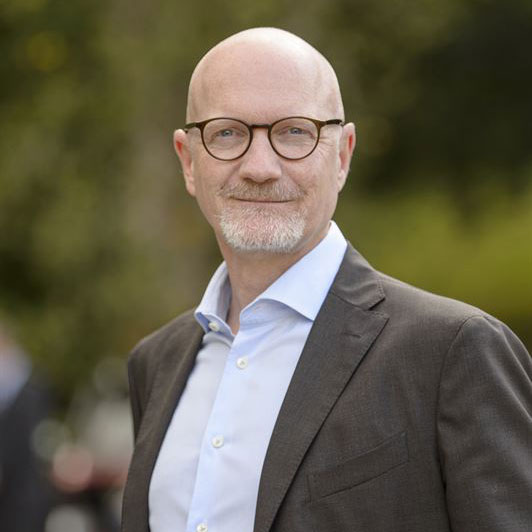
Lennart Eberleh, CEO of Rottneros
Strict regulations
He is hopeful about the future of the forest industry, but he is also aware of some challenges.
“The EU’s forest regulations can be very strict. Here, it’s important to have a holistic perspective and recognise what the forests’ raw materials actually contribute. Then we need to review the skills supply in the forestry industry. In smaller towns, finding the right skills can be a challenge. For example, we are short of engineers,” he says.
Matilda Iverlund, CEO of Paper Province agrees:
“The skills supply is important. We need to make sure that young people are interested in working in the forest industry and want to be part of developing more sustainable products.”
But she is positive about the future when it comes to forest raw materials.
“Environmental awareness is increasing among consumers, who are recognising that forests are an important resource for reducing the carbon footprint of our planet. Then there are challenges of course, but by using resources in a smart way and working together, we’ll make good progress!”

Product image Rottneros Packaging

Product image Cellcomb