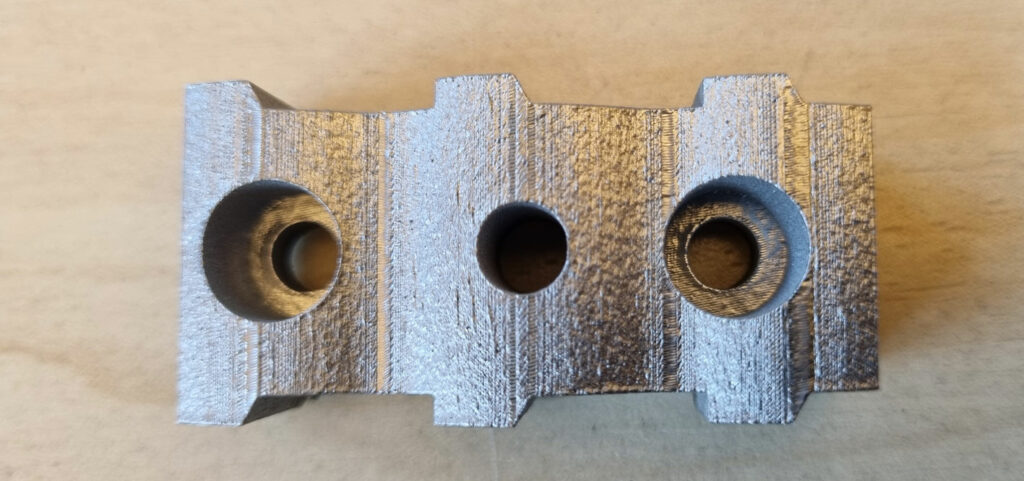
Holmen is currently exploring the potential of demand-driven, local 3D manufacturing of critical spare parts and components.
“We believe in this concept. Not having to transport spare parts across half the globe is not only good for the environment but also creates local jobs,” says Rune Jonsson, purchaser at Holmen.
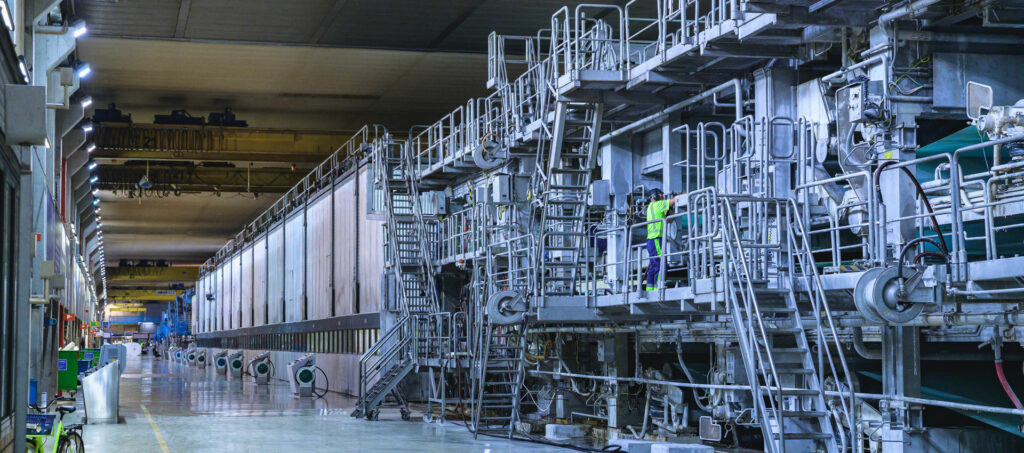
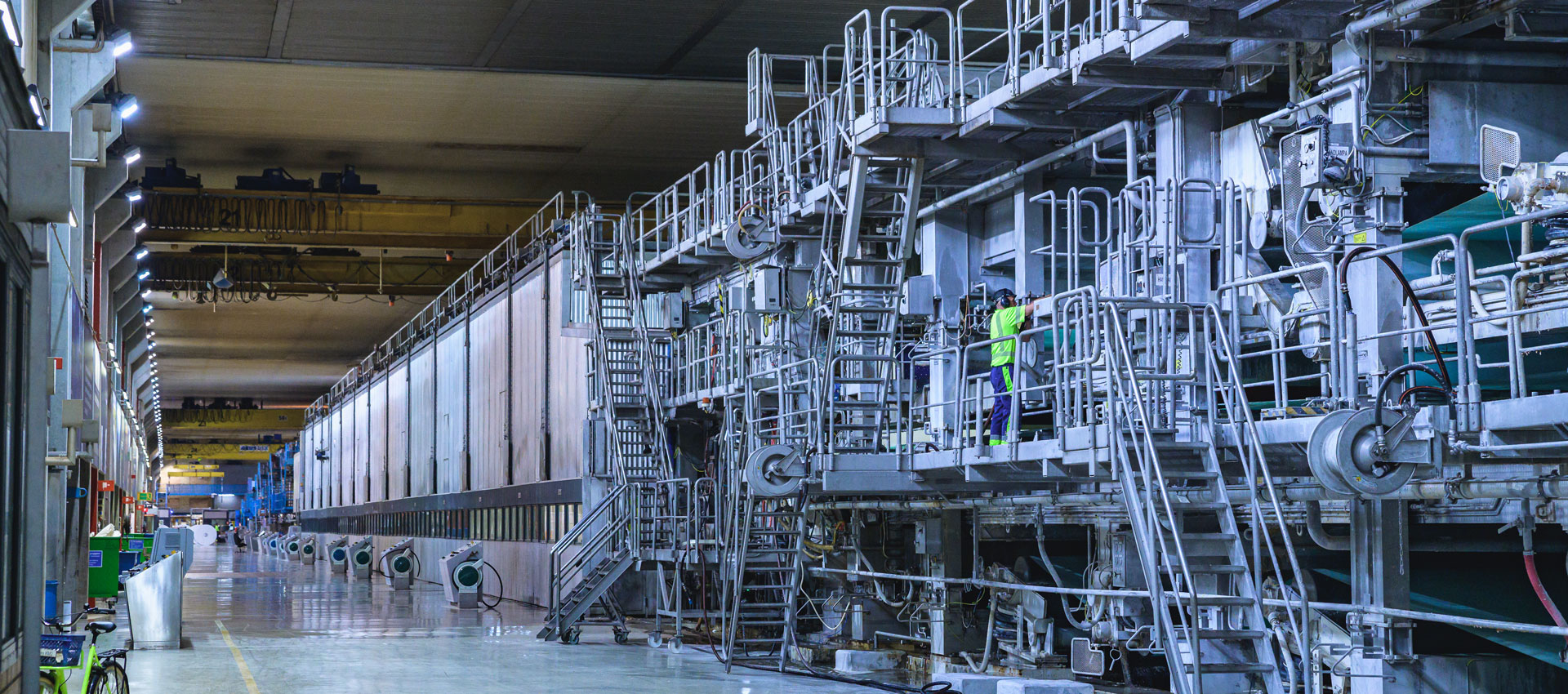
Holmen Board and Paper in Iggesund, outside Hudiksvall, Sweden manufactures cardboard for everything from perfume to Apple products. The cardboard machines require quick access to spare parts should something break down. But a lot of the parts in stock are never used.
“By instead printing a 3D component when we need it, we would save a lot on resources, which is also positive from a climate perspective,” says Rune Jonsson.
Holmen is one of the companies involved in the On Demand 2033 project in collaboration with RISE, Paper Province and the University of Dalarna, among others.
“The aim of the project is to challenge traditional supply chains. With the help of new technology, spare parts can be produced quickly when they are needed instead of being kept in stock. But this is not done in a day and it comes with challenges, which is why we are conducting tests in collaboration with some of our largest industrial companies, such as SSAB and Holmen,” says Torbjörn Jonsson at RISE.

Rune Jonsson, purchaser at Holmen
Changing the way of thinking
A project group at Holmen is looking into the types of spare parts that could be 3D printed. They should be made of metal, not be overly big and preferably be able to be printed in one piece.
“We have identified some components that may be suitable, which we are currently testing,” says Rune Jonsson.
But according to Rune, the technology itself is not the most important thing in this project.
“We already have the technical prerequisites. The challenge is changing the culture. We are used to doing things a particular way and now we need to think differently.”
One example is that suppliers should have easily accessible digital documentation and agreements with several local or regional companies that could produce the parts if necessary.
“It would create local jobs and provide security. Should a factory that manufactures one of our spare parts burn to the ground, there will be another company that can manufacture the part. But this won’t happen overnight. We need to talk to suppliers about how to best go about it,” says Rune Jonsson.

Critical collaboration
In addition to finding suitable components for demand-driven manufacturing, the project is also looking at design rights, delivery times, logistics solutions and much more.
“There are quite a few of us involved in this collaboration and we’re all learning a lot from this development process,” says Torbjörn Jonsson at RISE.
Other drivers in the On Demand 2033 project include RISE, Propell, Sandbacka Science Park, Paper Province, Sustainable Steel Region, Karlstad University, Dalarna University and Gävle University. The project is financed by Vinnova, Region Dalarna, Region Värmland and Region Gävleborg.

Torbjörn Jonsson, RISE